Community ‘Warm Spaces’, as described in this article in The Guardian, have ballooned in number from roughly 4,000 in the winter of 2022–23 to nearly 6,000 in 2025–26 as people grapple with the cost of heating their homes and basic living costs.
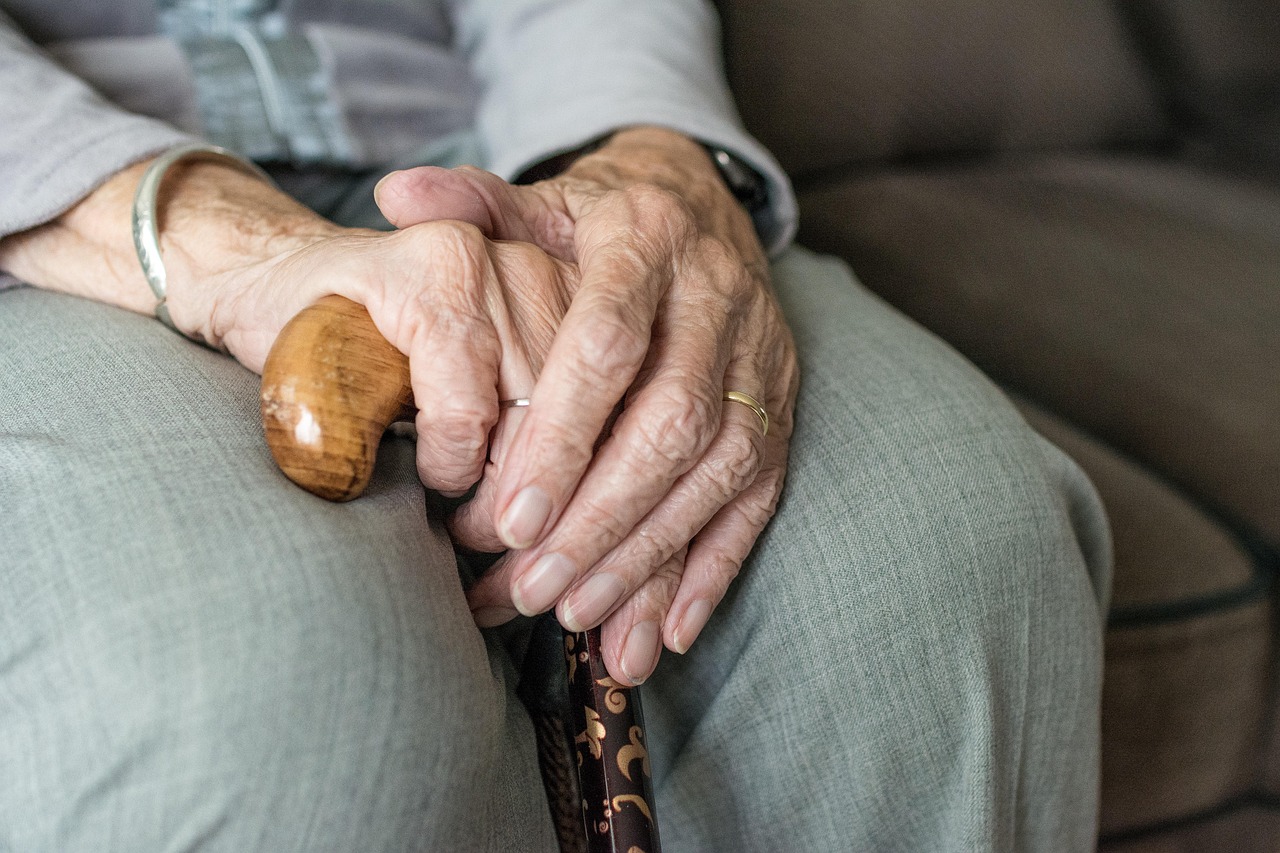
Warm spaces offer far more than a seat by a radiator. There’s the important warmth itself of course, but they have also become crucial social infrastructure. For people living on ow incomes, on benefits, the elderly or those with chronic illnesses, spiralling energy bills force cruel choices: heat or eat? Stay home and risk freezing, or seek refuge elsewhere? These community hubs provide a place to stay warm, access a meal or a cup of tea, and connect with others, reducing not only physical discomfort but social isolation.
As well as a general decline in the number of ‘third spaces’ available to many communities, the need for these spaces highlights a gap left by a mix of under‑investment in energy efficiency, a benefits system that struggles to keep pace with living costs, and a broader political landscape that has prioritised market solutions over social security. We Greens think that warm spaces should be a temporary stop‑gap until the underlying issues requiring them are addressed, not something (like food banks) that becomes normal.
We need to cap energy prices and strengthen social energy tariffs so households are not pushed into fuel poverty. We also need to invest in massive home insulation and retrofit programmes, particularly targeting low‑income housing, making homes warmer and cheaper to heat year‑round. Finally, we need to reform welfare support so that Universal Credit, disability benefits, and pensions genuinely reflect real costs of living. Structural fixes like these tackle the root causes of heat loss, fuel cost exposure, and inadequate income, rather than merely treating the symptom.
Over the past decade, market‑oriented energy pricing regimes and cuts to energy efficiency schemes have left many homes 'leaky' and/or damp, and expensive to run. Fuel poverty has remained high, with financial support lagging behind the actual cost of living. However, far from being some sort of alternative to what we currently have, Reform UK’s policy positions have emphasised spending cuts and tightening welfare as a matter of principle, rather than boosting support where it’s needed most. This reinforces pressure on already vulnerable households and underfunds the very support services that can help in times of crisis. It is desperately sad that the core of Reform’s support comes from the poorer and elderly- the people who their policies will hurt the most.
I don’t want to suggest that the people behind the organisation and creation of warm spaces are anything but heroes. They are providing a vital support for the vulnerable and should be praised. However, the need for them to do so is one of the clearest indications of how deep structural inequalities play out in everyday life. Community warmth should never be a stand‑in for policy that properly supports people. Unfortunately, until homes are efficient, energy is affordable, and incomes are adequate, warm spaces will remain vital.